Quick Question USB-C Charging
Posted: Tue Jul 22, 2025 6:50 am
Hello loopy or anyone! I have questions regarding charging through the USB-C, and forgive me if it was asked before, I did search the whole forum for anything related and didn't find what I've been wondering.
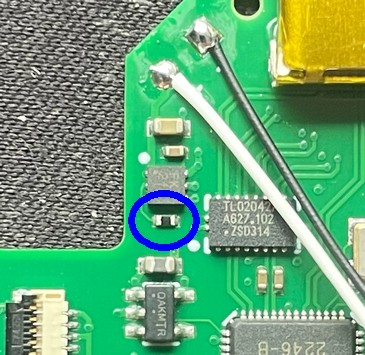
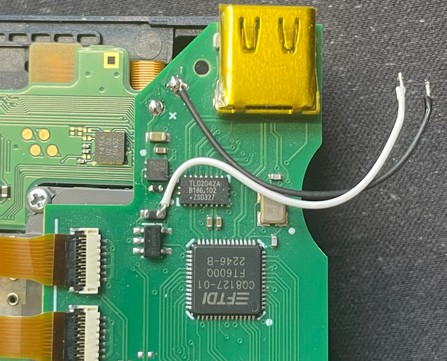
Basically, charging through the USB-C port of the capture board with the soldered 2 wires provided in the kit and according to the guide is slower than the OEM Nintendo adapter. Both methods should be 5V 1A (I measured output of 2 official chargers). And I mean, it's somewhat significantly slower, at least for me to notice. As soon as the red light (low battery) appears, I plug either cable to charge. With OEM charger, the light almost immediately goes back to blue. With my good USB-C cables (doesn't matter which cable I use) it stays red for about 10 seconds before going back to blue, and it also takes longer to fully recharge the battery.
My questions are these: First, is it normal? Does the board take that much power even when not in use? Can I, and is it safe to bypass and solder the 2 wires directly to the capture board's USB-C legs/pins/traces? Can I, and is it safe to use thicker AWG wires, like 22 or even 18 for less resistance?
Anything to improve this would be very much appreciated!